
By Javier A. Hernandez
A global imperative
New Jersey takes pride in preparing students for college, careers and active citizenship. However, one crucial aspect of that preparation still lacks the urgency it warrants: world language education. Every student in New Jersey should have the opportunity to learn another language and, through it, gain a different perspective on the world. When we deny equitable access to language learning, we block our students from a key to the global future that awaits them.
The equity imperative
Learning a world language is not a luxury or an option just for the privileged. It is about fairness and opportunity. Studies have consistently shown that being bilingual improves cognitive flexibility, enhances problem-solving skills and even boosts standardized test scores. However, many districts put off teaching world languages until middle school, underfund these programs or cut them during budget cuts.
Uneven access to world languages creates a two-tiered system. Students in well-resourced districts gain a global edge. They have stronger college applications and more career options while others fall behind. Some students qualify for a Seal of Biliteracy, a credential for high school graduates demonstrating proficiency in English and at least one other language. If New Jersey is committed to educational equity, world languages instruction needs to start early, be continuous and be shielded from budget cuts with the same intensity we give to math and science.
Building strong minds through language
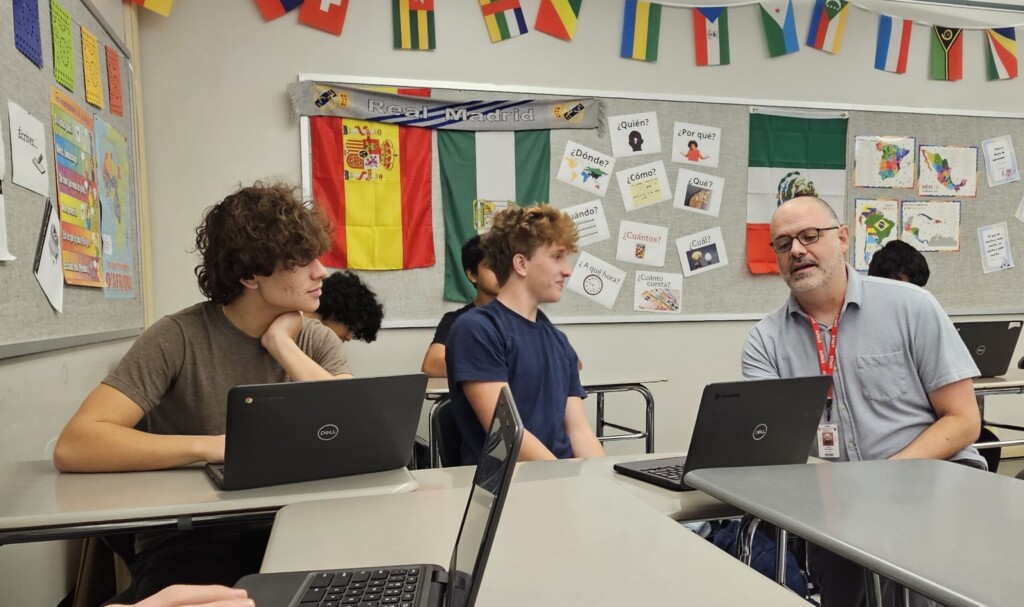
Language learning is like brain training. Studies in cognitive science show that learning a second language improves executive function, memory and creativity. Bilingual people perform better than monolingual peers on tasks that involve multitasking and divergent thinking.
For students, this goes beyond just higher test scores. It means stronger critical-thinking skills, greater mental flexibility and a proven cognitive reserve that can serve them well throughout life. Investing in world language education means investing in the intellectual growth of every child, not just their ability to communicate in a new language.
Economic and workforce benefits
New Jersey’s economy is global. From pharmaceuticals to shipping, agriculture to finance, our state relies on international trade and multilingual communication. Employers across various sectors, from health care to technology, consistently prioritize language proficiency as a highly valuable skill.
Graduates who can negotiate in Spanish, present in Mandarin or collaborate in Portuguese offer a competitive advantage in the workforce. According to the American Council on the Teaching of Foreign Languages (ACTFL), the demand for bilingual employees in the United States has more than doubled over the past decade. Students deserve the chance to meet that demand at home and overseas.
Civic engagement and empathy
Beyond economics, world language education fosters empathy and civic engagement. Learning another language introduces students to new cultures, histories and perspectives, nurturing curiosity and respect for diversity. It promotes the ability to understand neighbors, coworkers and communities with different experiences and prepares students to contribute thoughtfully in an interconnected world.
Just as important are heritage language programs, which acknowledge and support the languages spoken at home and in students’ communities. These programs help heritage speakers, who are students raised speaking languages like Spanish, Mandarin, Arabic, Hindi or Portuguese, build advanced literacy and academic skills in their family language while staying connected to their cultural heritage. By fostering heritage language development, we affirm students’ identities, validate their families’ histories and transform a home language into a valuable academic and professional tool.
In a diverse state like New Jersey, where more than 30% of residents speak a language other than English at home, this intercultural competence and heritage language support are essential. They are crucial for creating inclusive communities, strengthening family and community ties and maintaining a healthy democracy where all voices and cultures are respected.
Early start, lifelong impact
Research shows that earlier is better. Children who start language study in elementary school achieve higher proficiency levels, remember the language longer and develop more native-like pronunciation. Early programs also make multilingualism normal, helping students see language learning as a natural part of education instead of an extra burden.
Many New Jersey school districts wait until middle school to start comprehensive world language instruction, missing critical years of language learning. A statewide effort to begin language education in elementary school could significantly improve outcomes and give every student a fair chance at proficiency.
The Seal of Biliteracy
One step in the right direction is the New Jersey Seal of Biliteracy, which recognizes students who show exceptional proficiency in both English and another language. This recognition enables colleges and employers to realize that a graduate possesses genuine bilingual skills.
However, the seal’s accessibility depends on the programs that back it. In districts with limited world language options, or where students must choose between language study and other graduation requirements, they might never get the chance to earn it. To make the seal a genuine statewide standard, we need to ensure ongoing K-12 language pathways for everyone.
Strategies for strong world language programs
Expanding access requires more than policy statements. Districts can act now:
- Invest in teacher recruitment and retention: Support future world language educators with tuition incentives, student-teaching stipends and mentorship programs.
- Integrate language with content: Dual-language immersion and content-based instruction allow students to learn science, math and social studies in two languages.
- Leverage technology: Online exchanges, virtual classrooms, artificial intelligence and language-learning platforms expand practice beyond the school day.
- Engage the community: Collaborations and partnerships with local cultural organizations, businesses and heritage speakers enhance programs and foster genuine learning experiences. These partnerships allow students to experience and use the language in a real-world setting.
These strategies are effective. Schools that dedicate themselves to early, consistent and well-supported world language instruction observe higher student proficiency, increased college acceptance rates and measurable improvements in global awareness.
A call to action for educators and policymakers
As educators, we see every day how language opens minds, expands perspectives and bridges gaps. But we cannot do it alone. Policymakers must fund and recognize world language programs as essential, not optional. School boards must schedule languages as core courses, not electives. Parents and communities need to advocate for early and ongoing language instruction as a fundamental right.
The cost of inaction is high. Without strong world language education, New Jersey risks graduating students unprepared for global careers and disconnected from the diverse linguistic fabric of their own communities.
Making the promise real
World language education is about fairness, opportunity and preparing students for the realities of the 21st century. Every New Jersey student deserves access to another language, whether it be Spanish, Mandarin, Arabic, French, Italian or American Sign Language.
By investing in early, equitable, and ongoing world languages instruction, we acknowledge a fundamental truth: language holds power. It opens doors to careers, encourages empathy and understanding and bolsters the very foundation of our democracy. It is time to fulfill our promise and make sure every New Jersey student graduates not only literate in English, but also biliterate and globally prepared.
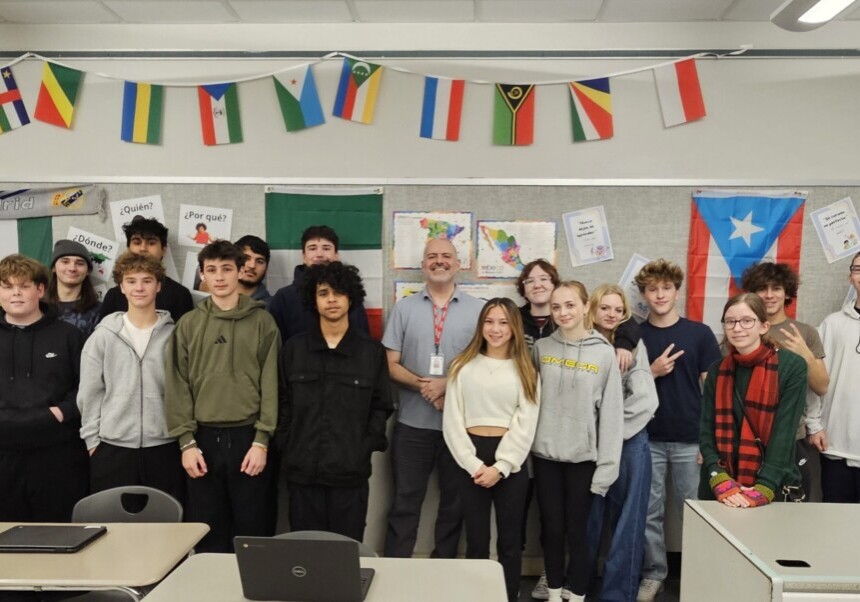
Javier A. Hernandez is a Spanish teacher at Hunterdon Central Regional High School. He holds certifications in ESL and Social Studies, is a recognized polyglot and is the author of Inspiring Spanish Mastery: A Resource Book of Teaching Strategies for K-12 Spanish and SSL Teachers.