
How a Gloucester County music educator builds relationships with students
By Sal Randazzo
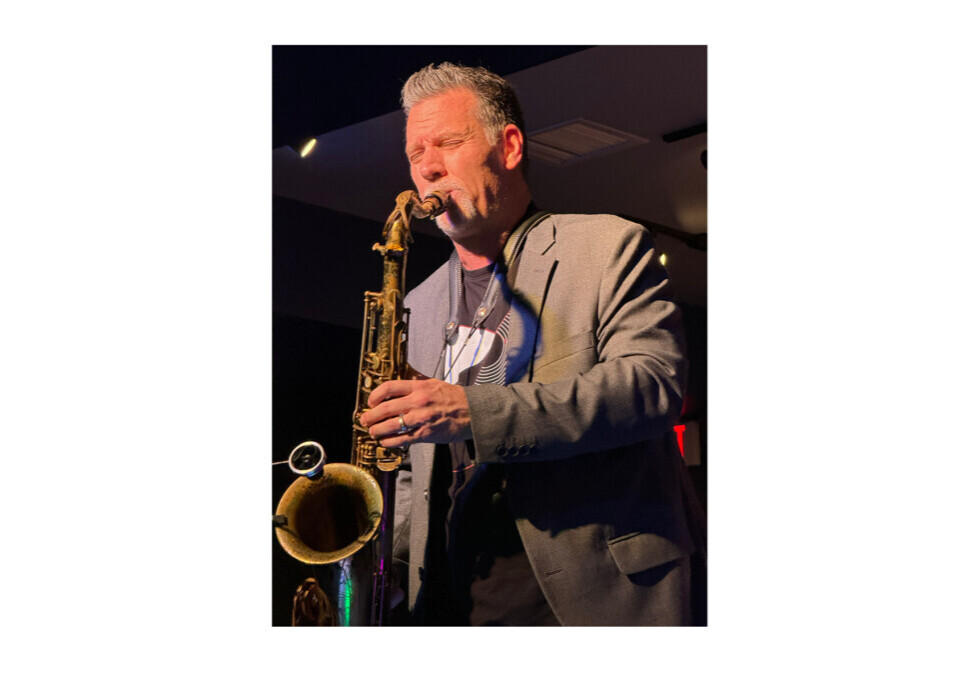
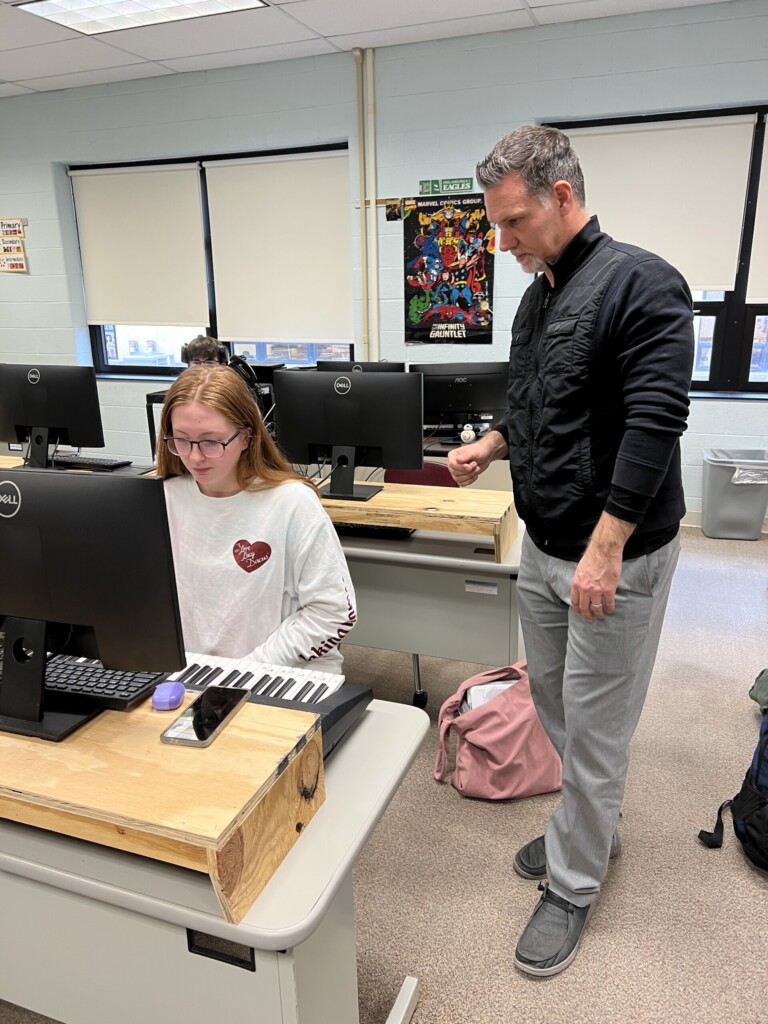
On any given school day, you can find NJEA member Carl Cox conducting jazz ensemble rehearsals, running piano labs and teaching instrumental lessons. After dismissal, though, you’ll often catch him rushing off to a recording studio, a local gig or Philadelphia International Airport for his after-hours career as a professional saxophonist.
Cox is in his 22nd year of teaching at Deptford High School in Gloucester County, where he graduated in 1996. He earned a bachelor’s degree in saxophone performance and a master’s degree in music education from the University of the Arts in Philadelphia. Since then, he has built his reputation as a musician, performing with artists like Kirk Franklin, The Roots and Sugarland. He also has three contemporary jazz solo albums to his credit, with several singles in rotation on SiriusXM Watercolors channel 66.
Cox says his passion for music keeps him going. “It’s why I got into the field. To be able to perform and come back to school to share that experience. I just love doing it, so I don’t really think about being tired.”
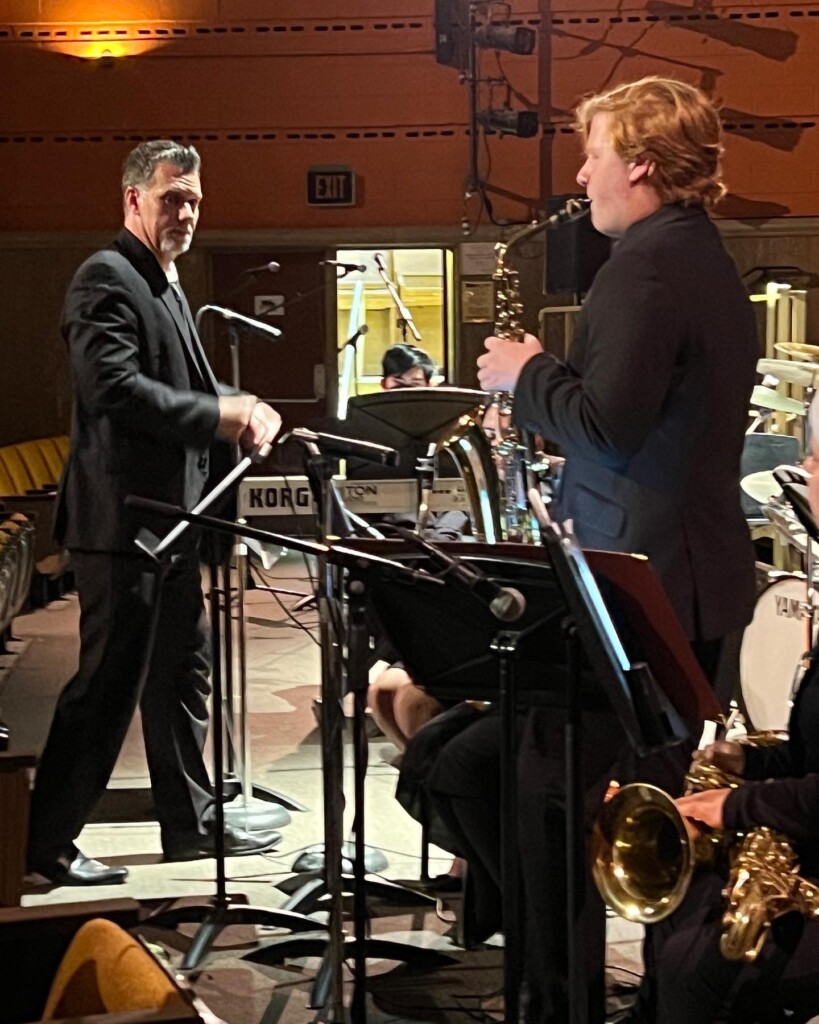
Deptford’s jazz legacy
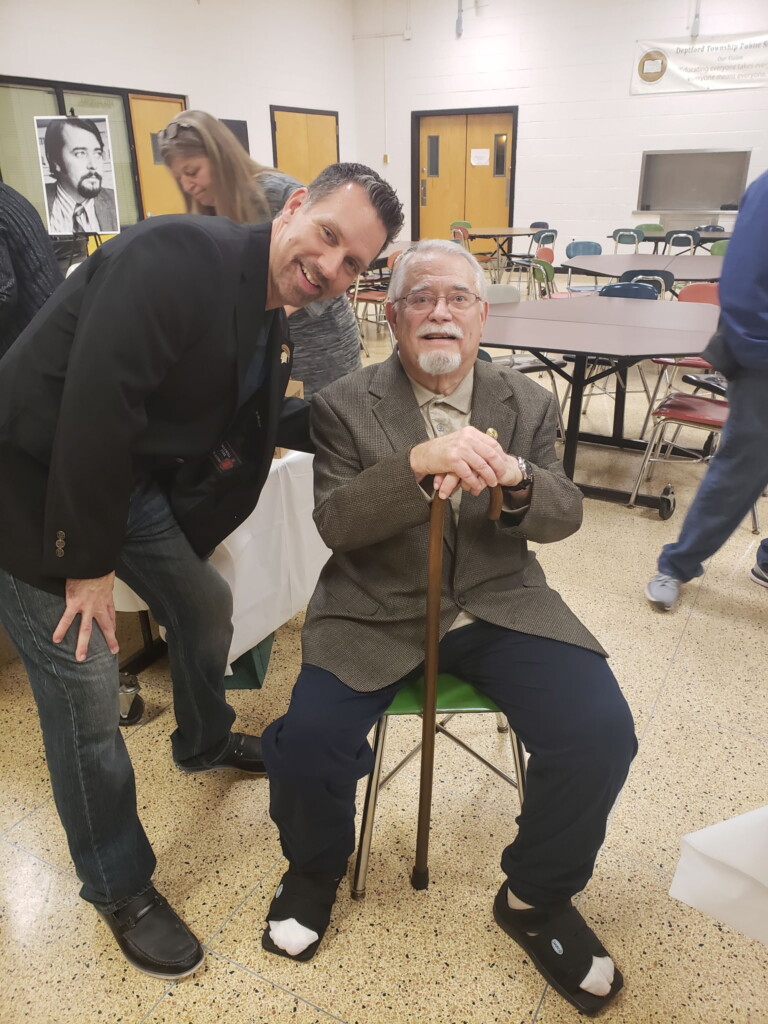
Like many educators, Cox had a model for his success: his own high school jazz teacher, Al Hobbs.
“Al was a highly sought-after musician,” Cox says. “He was doing Broadway gigs on percussion. I realized that if he could play and teach, I could play and teach.”
Cox was strongly influenced by Hobbs’ teaching style. “Al was a personable teacher. You could talk to him. He would say things like, ‘I might not have all the answers, but I can listen to whatever you’ve got to say.’” Cox remembers fondly, “We used to talk about all kinds of stuff. He loved fishing, and we’d talk about different types of rigs. We became friendly.”
It was this sharing of personal passions that engaged Cox and helped him buy into what Hobbs was teaching. Hobbs’ enthusiasm also shaped Cox’s views on education.
“Students have a keen sense of awareness. If you’re excited about your content, the student will be excited as well. Every day I go into the classroom, I’m excited to share.”
Turning passion into student engagement
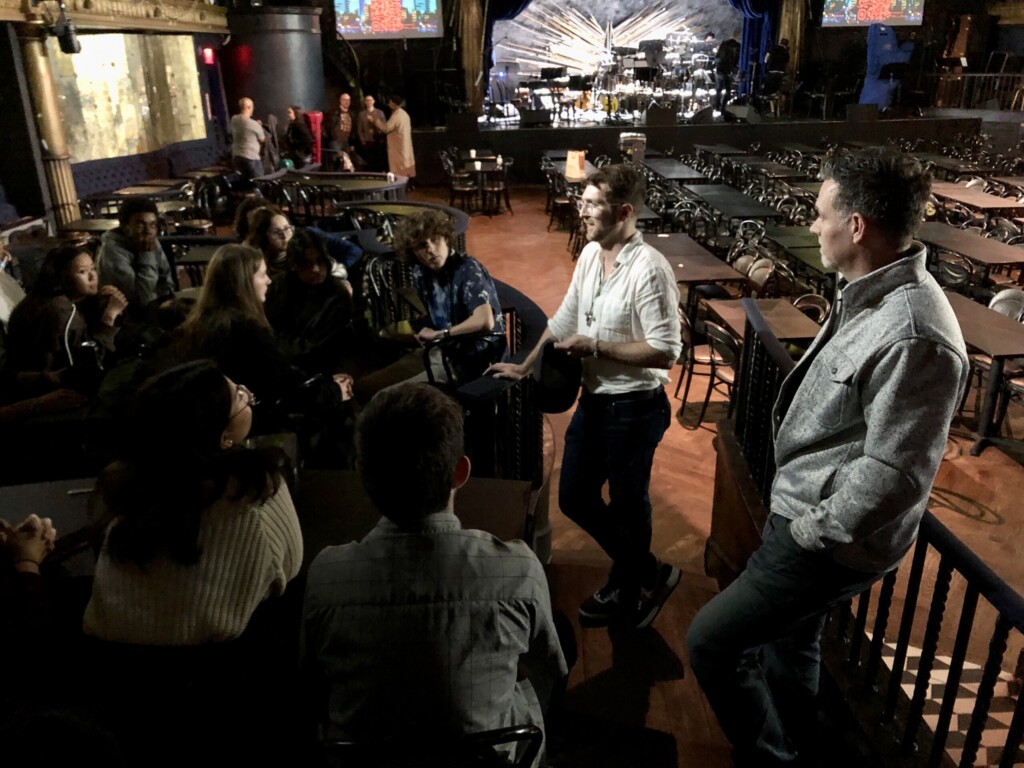
When your passions help you develop a community outside of the workplace, your students have access to that world. Says Cox, “I’ve had kids play with Gerald Veasley, who I perform with. I’ve had John Legend’s band members come in and work with the kids.”
But it’s not just the guest clinicians that help Cox’s students. “I think when they see I can do it, they think, ‘Here’s another Deptford alum coming back doing what he loves to do.’ That gives them hope they can do it as well. I’ve had a lot of students make a career out of music.”
Cox, along with colleagues Amy Gigliotti and Mike Armstrong, helped launch Deptford High School’s music academy in 2018, dubbed the Spartan School of Music. This program graduates a cohort of skilled musicians each year. The curriculum includes training on an instrument or voice, plus piano, music theory and senior recitals. This results in highly prepared candidates for college auditions and scholarship opportunities.
Cox stresses the importance of effort from both students and teachers in getting students where they need to be. “People say, ‘How do you get your kids so good? You just have a lot of great students.’ And I say, ‘No, I have the same students you do, but it’s our job to make them great.’ They didn’t start off that way.” He approaches this process using the acronym TIP:
- Time: “You need to find the time to work with the students, and they need to carve out a part of their day to enhance their skills.”
- Intelligence: “Intelligent practice. Are they playing mindlessly, or are they actively engaged in a practice session working toward specific goals?”
- Patience: “With any skill, it takes time, and you can never give up on a student.”
Cox realizes not every student will go into music as a career. “I encourage them to work as a team, because no matter where they work or what job they do, they’ll need to work with others. That’s my philosophy. Not only to direct them, but to direct them on how to teach themselves and work together as a unit.”
The results
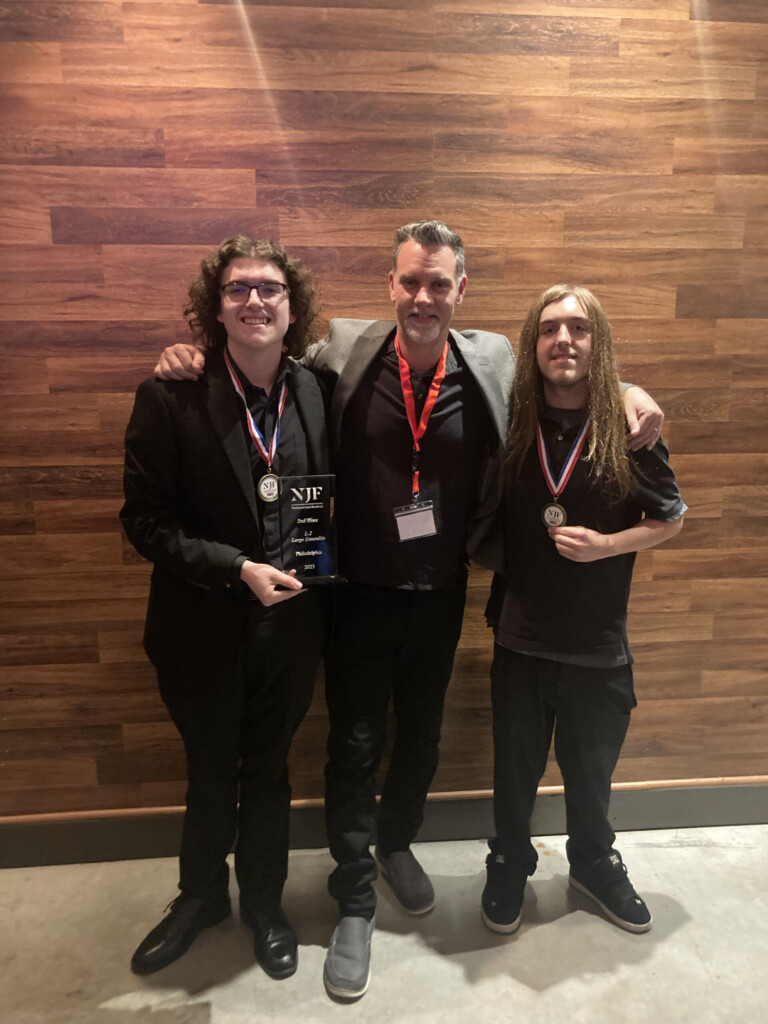
Cox recently received the New Jersey Association for Jazz Education (NJAJE) 2025 Achievement Award. A major deciding factor was Deptford’s jazz ensemble winning the last four New Jersey State Jazz Championships. “I always tell them, ‘I don’t care about the results. If you give me your best, I’ll be happy.’ It’s not the win that’s important; it’s the journey.”
And the journey for Cox’s students doesn’t end at graduation. Many have gone on to be educators and performers, both amateur and professional. Some don’t make a living in music but are active members of the performing arts community.
Cox identifies one such student, Shawn Blubaugh, class of 2009. “He works for the Phillies. His love of music stayed with him long after he graduated, and he’s now the captain of the Greater Kensington String Band in Philadelphia.” Blubaugh reached out to Cox in 2024 to ask for help working with the saxophone section, and Cox soon found himself marching down Broad Street in the 2025 Mummers Parade on New Year’s Day.
“Of course, I said yes, because he was my former student, so I wanted to help him. And I did it again this year,” he says with a laugh.
“I always try my best to do what I can to help them, even after they’ve graduated. I think that goes a long way in creating an atmosphere for the students. We all help each other out. I support them, they support me and the ritual continues.”
He is just as proud of former students who simply continue to support jazz and local artists. “They’re attending concerts, festivals and actively engaged in supporting America’s music, which is jazz, and they’re the generation that’s going to help retain this art form.”
Takeaways for positive student outcomes
Cox feels educators need to take responsibility for introducing students to new experiences. “Kids don’t know what they want until you give them the opportunity to experience your passion. They only know what they see or hear, and it’s our job to get them excited.”
Those with interests outside their content area can start a club, plan a field trip or just engage in conversation. Cox notes a colleague who runs a physics field trip to Six Flags Great Adventure.
“Students discover the physics of the rollercoasters, but they’re also there to experience a relationship with each other outside the classroom. I think that’s a big part of developing a bond with your students, which enhances your ability to teach them.”
Building relationships outside the classroom
Cox looks for moments to build relationships throughout the school day. “If I’m on lunchroom duty, I try to meet students I don’t know. Some of the students say I’m their favorite teacher, and I don’t even teach them. I just listen to them. They want to talk to you. You don’t know their personal life, what they’re dealing with. They want an adult to talk to.”
For educators who don’t get those opportunities in school, there are tools that allow you to share your passions digitally. Cox posts short video lessons and tips on his social media channels and website, carlcoxsax.com, getting engagement from students and educators alike.
Speaking about his own success, Cox gives all the credit to his teachers and mentors, pointing out how every educator who interacts with a student helps guide their journey. “All the educators I had helped shape me. If one of them were missing, it wouldn’t have been the same. It was a puzzle that had to come together, and every piece had to be there for me to be successful. You could be a large piece. Whether you realize it or not, your students are listening.”
As Cox reflects on his own journey, he hopes his students remember the same thing about him that he remembers about Al Hobbs. “That I cared. That I always wanted them to succeed in whatever they do. And that I might not have had all the answers, but that I listened.”
Sal Randazzo is an NJEA member serving Deptford Public Schools as a communications professional. He can be reached at sal.a.randazzo@gmail.com.