
By Taya Ros
Promoting a positive school climate
In 1994, the New Jersey State Bar Foundation (NJSBF) launched its Violence Prevention Training Initiative, and the first conflict resolution training courses for New Jersey educators were offered. Since then, the foundation has expanded its trainings and worked to equip educators with techniques, tools and practices that can be put into use immediately. Today, the foundation’s array of trainings are all designed to help improve school climate while reducing bullying behaviors.
One component of conflict resolution is peer mediation. Student mediators follow a learned process to resolve conflict among their peers. This approach provides a safe environment for students to express feelings and take responsibility for their actions. Importantly, it reduces reliance on teachers and staff to manage minor conflicts. With the help of peer mediators, the students work to develop their own mutually agreeable resolution. Schools with peer mediation show positive results in reducing incidents of school violence.
The foundation’s peer mediation training provides a framework to implement and sustain a student-based program in schools.
Settling playground conflicts in elementary schools
F.N. Brown School, a K-4 elementary school in Verona, has had a successful peer mediation program for more than ten years. After school staff attended the foundation’s conflict resolution and peer mediation trainings, the team visualized the benefits of implementing peer mediation and facilitated a pilot program. What began as a single-school initiative is now part of the approved Verona School District curriculum and is part of the fabric of the school community.
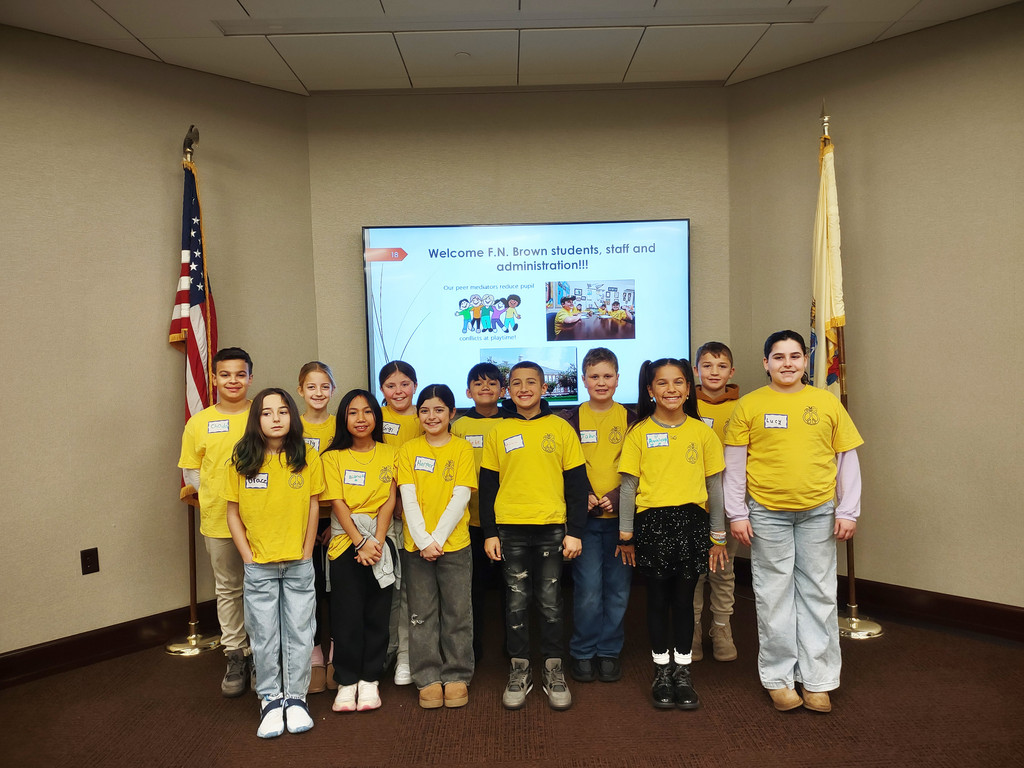
Using the foundation’s materials and guidelines, fourth grade students are trained in win-win principles and communication practices. They learn how to help classmates resolve minor conflicts peacefully which fosters communication and problem-solving skills for the students involved.
Peer mediation is in action during every recess at F.N. Brown. Student mediators are available to handle conflicts between their peers and between younger students. Most playground conflicts include taking turns, game rules disputes, minor teasing or friendship issues. Students know they can turn to the mediators when a conflict arises. They have learned to work together to come up with agreeable solutions.
“We now have a school and districtwide culture where disputes decrease, emotional regulation improves and students recognize that peaceful problem solving is both possible and expected,” says Dr. Anthony Lanzo, principal at F.N. Brown. “Student mediators listen, guide discussions and help peers find their own solutions, building a positive school culture and reducing disciplinary issues, teaching valuable life skills beyond the classroom.”
“We have incorporated weekly conflict resolution lessons for each grade level and have a Peace Place in every classroom,” says Louis Waibel, fourth grade teacher at F.N. Brown. “Our robust peer mediation program empowers all students to express feelings, listen actively and work together toward solutions that honor everyone’s needs.”
Improving communication in middle schools
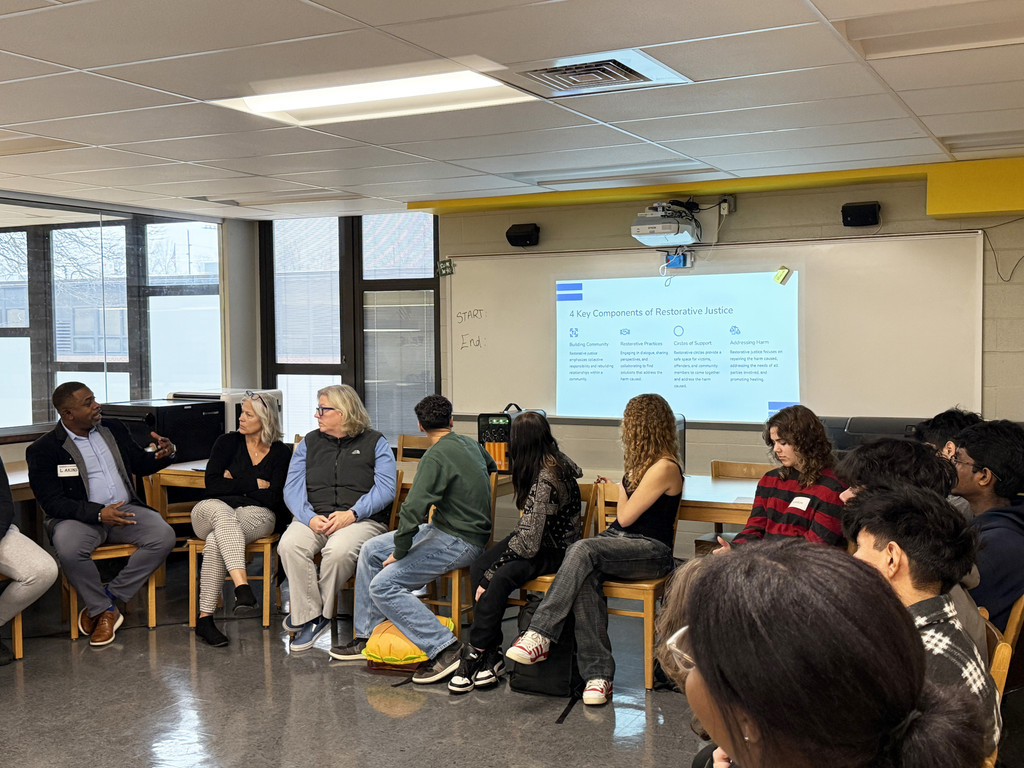
For Woodrow Wilson Middle School in Edison, peer mediation is relatively new. In 2024, at a Principal’s Advisory Committee meeting, students voiced the idea of implementing a program to address conflicts and strengthen relationships among their peers.
“The students recognized the need for a positive, student-led approach to conflict resolution,” says Jennifer Blevins, principal at Woodrow Wilson. “They suggested this program to build trust and understanding within our school community.”
The training provided by the foundation gave staff a clear framework for how peer mediation should function which helped establish a strong, structured program from the outset. “The materials provided helped us develop consistent mediation protocols, a clear referral process and follow-up procedures to ensure accountability and resolution,” says Blevins.
Common middle school conflicts include friendship disputes, exclusion, name-calling, misunderstandings or miscommunication. Peer mediation increases accountability by placing responsibility for conflict resolution directly in the hands of students. Students are guided to reflect on their actions, listen to the perspectives of others and collaboratively develop agreements to move forward instead of relying solely on adult intervention.
“Students learn that their words and actions have real impacts on others, and that resolving conflict requires honesty, empathy and follow-through,” says Imran Zia, who was a peer mediation advisor at Woodrow Wilson Middle School and is now assistant principal at Herber Hoover Middle School, also in Edison. “I saw firsthand how peer mediation makes positive impacts. I am now working to bring this program to Herbert Hoover.”
Resolving rumors and drama in high schools
Monmouth Regional High School staff first learned about restorative justice and peer mediation by attending NJSBF foundation trainings. The mindsets and tools provided helped Monmouth Regional implement restorative justice practices which are used to address harm by bringing together individuals to foster dialogue, accountability and healing. Monmouth Regional is now expanding their restorative justice practices to include a peer mediation program to help mediate social, friendship and communication issues.
“Our student leaders have witnessed the benefits of restorative justice circle work,” says Katie Toole, school counselor and peer mediation co-advisor at Monmouth Regional. “Adding a peer mediation program, with students trained to facilitate conversations, will help students develop mindfulness practices to support their ability to sit with challenging situations.”
In high schools, peer mediators typically help resolve relationship and social conflicts such as friend group drama, rumors and gossip as well as disagreements, disrespect and teasing. “Through peer mediation, mediators learn how to talk about conflict in a nonjudgmental, calm way,” says Toole. “They learn how to diffuse tense situations and make students feel heard. The skills learned are used every day and will be used in future personal and professional relationships.”
Students coaching educators—learning from the mediators
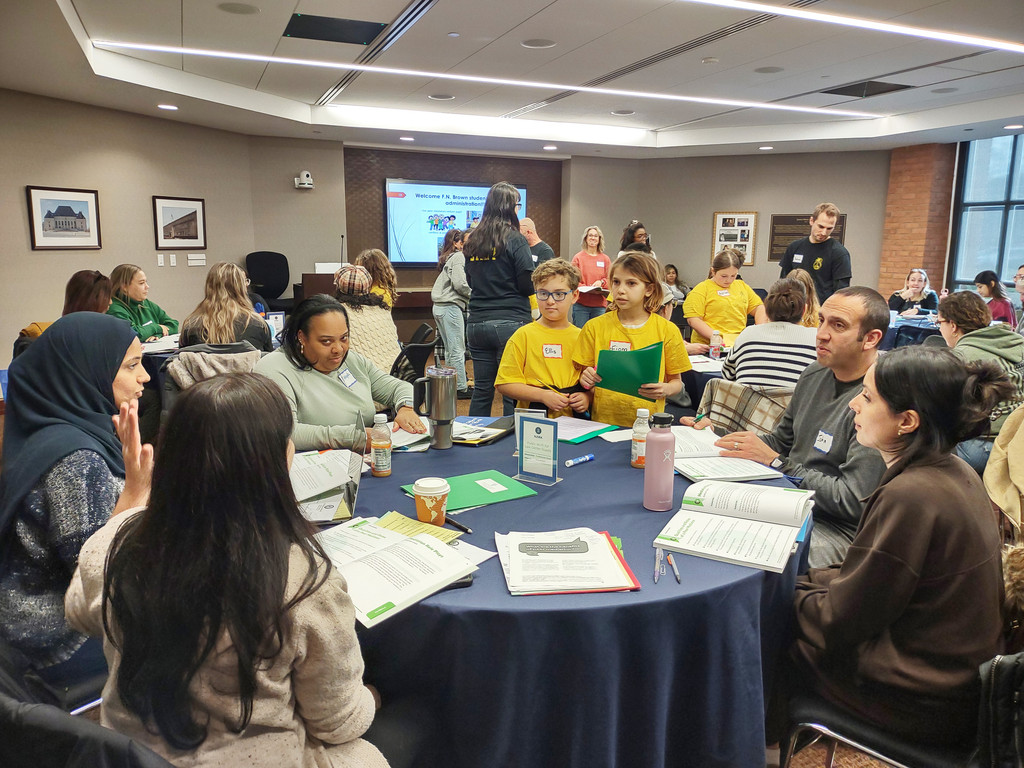
A key component of the foundation’s peer mediation course is interaction with student mediators. F.N. Brown’s fourth-grade mediators participated in some of the foundation’s elementary level training to model the mediation process. The students shared benefits from their perspective and then coached adult participants as they practiced the peer mediation protocol themselves.
“Watching our students guide teachers, counselors and administrators through conflict scenarios illustrates just how deeply they understand,” says Lanzo. “Listening to students answer questions and coach adults also demonstrates how much they believe in the process.”
Based on the success of this approach, the foundation plans to expand its middle-school-focused peer mediation training to include coaching from trained sixth-grade to eighth-grade peer mediators in 2027.
Taya Ros is the marketing director for the New Jersey State Bar Foundation. You can learn more about the NJSBF and its free resources at njsbf.org.
Getting started
To get started, the NJSBF encourages schools or districts to attend peer mediation training which is offered as part of its Conflict Resolution and Anti-bias initiatives. The foundation’s training courses are designed to promote a positive school climate through strong community relationships, high accountability and equity for students and staff.
Peer mediation training for elementary schools
Elementary peer mediation trainings are held throughout the academic year. At trainings held at the New Jersey Law Center in New Brunswick, educators from F.N. Brown participate to explain their process, student training timelines, answer questions and offer advice. During the training, student mediators model their practices and role-play peer mediation scenarios with participants.
Virtual training is also available. Note that F.N. Brown staff and student mediators do not participate during virtual sessions, but their strategies for development and sustainability are covered extensively.
Peer mediation training for middle and high schools
A new middle/high school peer mediation course is currently in development in partnership with Urban Promise, Camden. Please monitor our website for updates.
Peer mediation grants
Schools that receive peer mediation training through the foundation may apply for a Peer Mediation Grant. Visit: grants.njsbf.org.
Conflict resolution and Restorative Justice training
When starting a peer mediation program, conflict resolution and tiered Restorative Justice trainings are also recommended. Our conflict resolution training provides guidance on working with different perspectives and using “I” statements. The Restorative Justice course provides ways to strengthen the classroom community and respond appropriately when harm occurs. Each training offers tools and guidance which complement a growing peer mediation program.
Did you know?
All foundation trainings are free. Trainings are offered virtually or in person at the New Jersey Law Center in New Brunswick. In-school or in-district trainings are available. PD credits are offered. For more information, to register, to request an in-school or in-district training and to join an educator email list for notifications about upcoming trainings, visit trainings.njsbf.org or email the foundation’s Director of Conflict Resolution and Anti-Bias Initiatives, Zoey Guarino at zguarino@njsbf.org.
Additional NJSBF resources
Publications include What to Know about Plagiarism and civics-related topics such as the following: Constitutionally Speaking—The Fifth Amendment; Constitutionally Speaking—The U.S. Supreme Court; The Bill of Rights Up Close; and Beyond the Bill of Rights. The Legal Eagle (for grade 5 to adult) and Respect, a diversity and inclusion newsletter (for grade 6 to adult) are both published three times each school year. Subscribe, download or order free copies at publications.njsbf.org.
Free Mock Trial competitions for grades 3-12
The foundation’s free mock trial competitions provide interactive, civics-related learning experiences for students. Competitions include Law Fair (grades 3-6), Law Adventure (grades 7-8) and the Vincent Apruzzese High School Mock Trial Competition (grades 9-12). A courtroom artist competition and a courtroom news reporter competition are held in conjunction with the high school mock trial program. All are free and open to students in public, private, charter and home schools in New Jersey. Teacher workshops are held every October. Learn more at mocktrial.njsbf.org.
Conversation starters
Read or download articles for special months (e.g., Black History Month), weeks (e.g., Constitution Week), or days (e.g., Earth Day) and other topics like government, social media and artificial intelligence. All articles have been curated from The Legal Eagle or from the Informed Citizen civics blog. Visit conversation starters.njsbf.org.
Free Speakers Bureau
Volunteer attorneys are available to address classes, school groups and schools on many areas of the law including the court system and how it works, the Bill of Rights, turning 18 in New Jersey and more. Request a free speaker at speakers.njsbf.org.