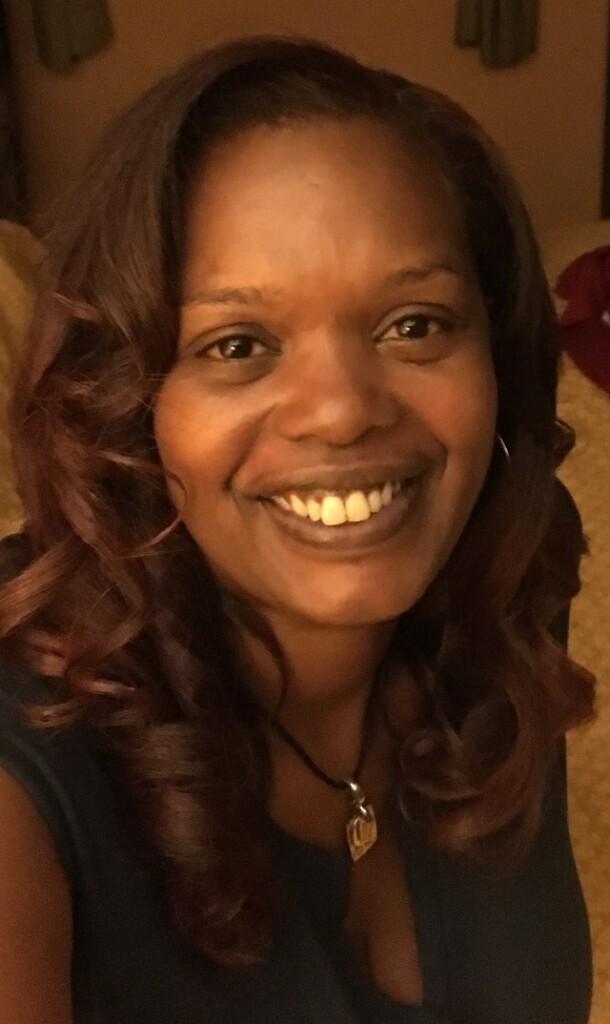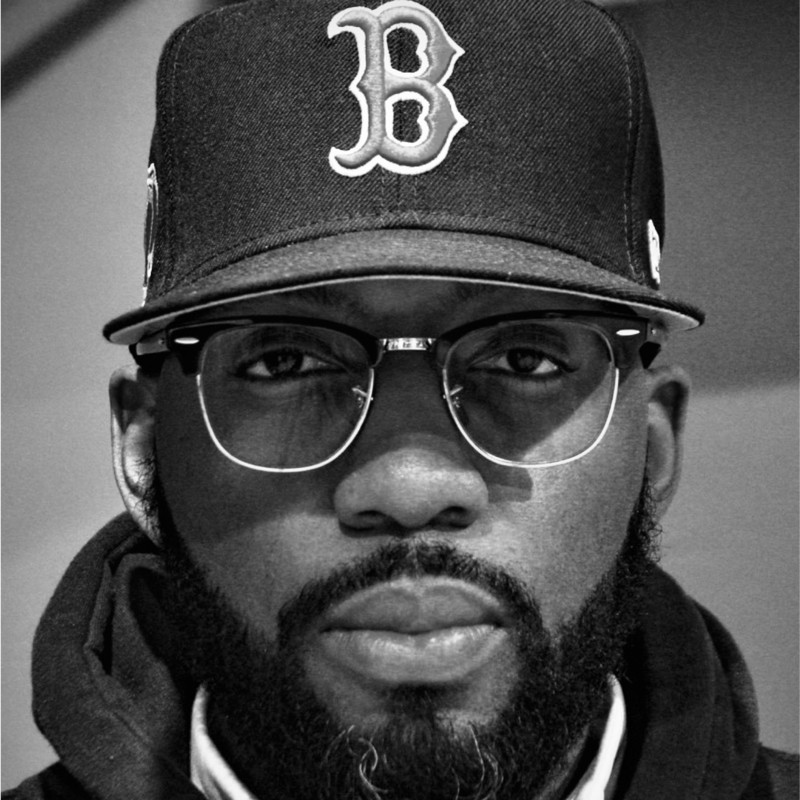
By Beverley Senior and Dr. DaQuan Bashir
Equity and inclusion in education shouldn’t just exist in theory—they should exist in practice, by connecting content to learners’ lived experiences. They should also involve actively working with the learner (and their community) to ensure they have what they need to succeed in the academic space. Too often, what happens in schools is shaped by the culture, biases and blind spots of the dominant narrative, leaving some learners unseen or unheard. In this piece, NJEA Justice and Equity Fellowship alumna Beverley Senior reflects on her own experiences as a student and highlights practical ways educators can transform moments of exclusion into practice that foster belonging, respect and cultural relevance for all learners.
School culture and climate
Experience: My elementary school experience in Catholic schools was bland for the most part. I never really identified with the overarching culture or heritage of the dominant white population. My earliest primary years were more fun since I attended a neighborhood public school until the age of 6. There were more students who looked like me and although culturally we were not the same, I appreciated the familiar skin tones of peers I would also see on the weekends. Soon after first grade, I would be ‘the only one’ of color in my educational settings on more occasions than I would have liked. While it might not have seemed as bad in some instances, I didn’t really understand the implications of race until I entered high school. There is some truth to ignorance being blissful.
Practice: To counter Senior’s experience, a facilitator of learning should consider the diverse identities and perspectives that exist within an academic space. Even if said space is predominantly or completely made up of learners from one specific racial group. There are still unique lived experiences and perspectives within that group. It is up to us to create opportunities for learners to explore, highlight and discuss things that matter to them.
By doing this, our space and lessons become more culturally relevant as it connects the learning to a learner’s lived experience. Visual representations are needed to reflect the diversity of the learners (and of the world) in the academic space. But we shouldn’t stop there. Just posting Women or Black or Brown faces up on walls isn’t the end of it. We must make sure we are truthfully telling their stories as well as it relates to the context and content of the academic space.
Loss of cultural heritage:
Experience: I have no memories of being ‘seen’ during my primary school experience. I remember learning Black History during Black History Month but never identified with it as my history. We didn’t talk about what we knew individually about Black history or what it meant to us as students, rather we were supplied with a menu of Black persons to research.
The standard collection of reserved Dr. Martin Luther King, Jr., Harriet Tubman, Sojourner Truth to name a few. Book reports and cookie cutter type presentations are what I remember most. No Bob Marley, Miss Lou Bennet Coverley or Marcus Garvey for me.
Practice: To counter Senior’s experience, it is essential in planning to actively integrate varying truthful narratives year-round. This does not mean a facilitator of learning needs to include every single heritage or culture, but we must start somewhere. Black history should not be relegated to just February, just as Asian American and Pacific Islander (AAPI) history should not be highlighted only in May.
While acknowledging that these months of cultural heritage celebration are important, we must also recognize that people exist outside of these months as well. Furthermore, it is our responsibility to encourage research on—and highlight—lesser-known figures who have had an impact on our society and the world, as related to the content and context of the academic space.
Bullying
Experience: Looking back, I can see how micro-aggressions and stereotypes associated with Black people were applied to me. Although I identified as West Indian, my white schoolmates made no distinction. My hair was long but clearly not of a similar texture to theirs which prompted comments like, “you have nice hair for a Black girl.” On an occasion or two my long ponytails were tugged at to see if they were “real.“ My skin tone was brown with a reddish hue for which I often heard that I had pretty skin for a Black girl, followed by “Are you mixed?” This was familiar to me since it was also my experience in my neighborhood.
Practice: To counter Senior’s experience, an academic space that is grounded in community and inclusion is what needs to be built. Occurrence of microaggressions can be reduced by setting the tone of the academic space. That starts with establishing norms or community agreements that are codeveloped with learners. Codeveloping these goes a long way toward gaining buy-in of observance of said norms. Include them in the process and discussion of setting these norms/community agreements.
During development, educators should lead exercises around what learners envision the academic space to be. How should it operate for all learners. These discussions shouldn’t be “one and done,” but rather an ongoing conversation or reminder of what these norms/community agreements are and why they exist. This is particularly vital when microaggressions arise. The committing of microaggressions should be addressed in the moment with care and intention.
The decision to address everyone in the space or the individual is a determination that should be made by the educator while relying on knowledge of learners and culture of the academic space. To emphasize, these conversations should not be dismissed. They should be handled as they arise. Ongoing professional development is critical to having the necessary language, knowledge and courage to engage in these types of conversation without causing further harm.