

There’s funding for that! By Dorothy Wigmore A recent indoor air report from the Brown University Pandemic Center, International WELL Building Institute and Air Club can help union health
Health & Safety, Indoor Air Quality
October 23, 2026

Health and safety advocacy isn’t for the faint of heart. “At the end of the day, it’s very easy to feel unseen in it. Sometimes it just brings you so
Health & Safety, Mercury Floors
September 4, 2026

By Dorothy Wigmore It’s hard to ignore the heat-related warnings about the climate emergency in New Jersey: How does heat affect us? The consequences affect everyone working in and
Health & Safety, Temperature
June 3, 2026

By Dorothy Wigmore The sounds of socializing Since early February, things have been different in Linda Kramer’s school. “The students are even more engaged as they walk through the hallways,”
Cell phones, Health & Safety
May 6, 2026
Health and safety committees need information to function. Information itself is not power, it’s easier to get, and use, with union power. Some information comes from employers’ records of health
Health & Safety
April 6, 2026

By Dorothy Wigmore Long COVID is real: What can be done? It’s debilitating staff and students alike, among others. It’s a mish-mash of symptoms and diseases that too often are
COVID-19, Health & Safety
March 11, 2026
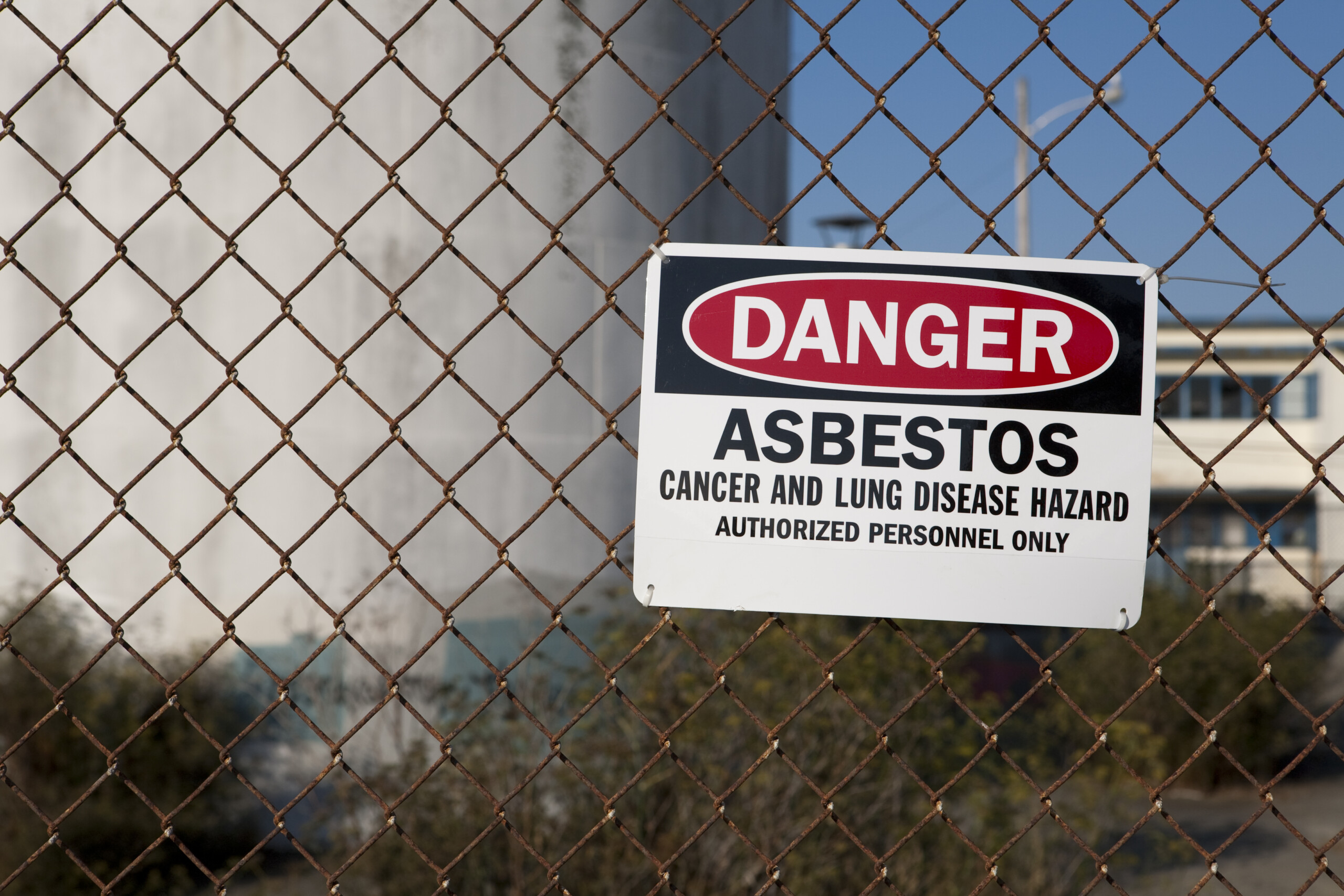
By Dorothy Wigmore New Jersey has many old school buildings. When districts decide to renovate or upgrade them, it’s time for NJEA members to ask about asbestos hazards. That’s a
Asbestos, Health & Safety
February 9, 2026
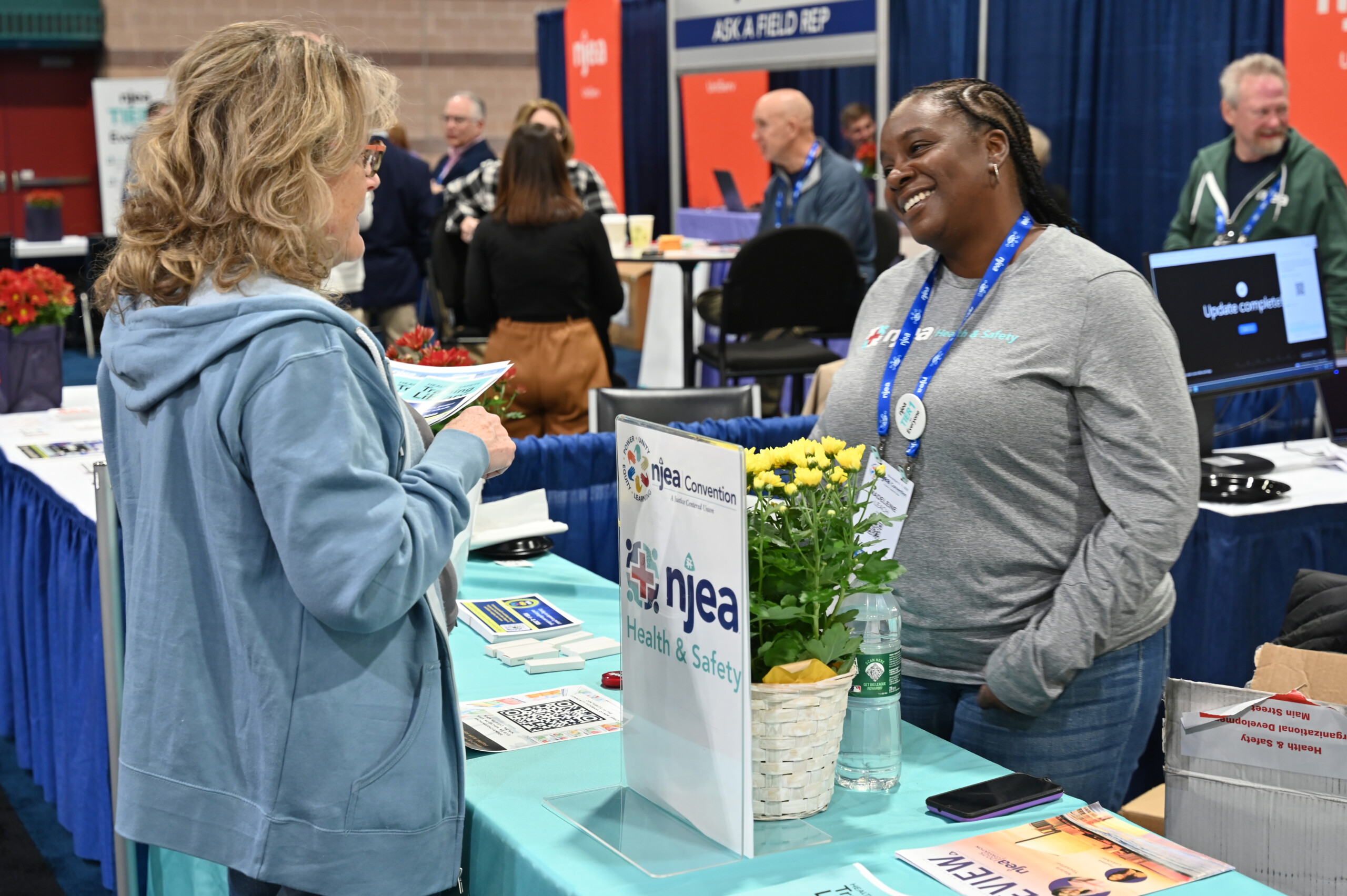
By Dorothy Wigmore “NJEA members have a legal right to safe and healthful working conditions. Your employer, the board of education, is responsible for ensuring that school employees and students
Health and Safety Training
January 5, 2026
By Dorothy Wigmore We all use them, usually several times a day. They should be clean, free of “bugs,” well-ventilated, free of hazards, accessible to all—and working. Too often, they’re
Bathroom Hazards, Health & Safety
December 1, 2025

Tackling odors and invisible hazards at work By Dorothy Wigmore and Derek Shendell Something stinks when you walk into school or your classroom, get on the school bus or go
Health & Safety, Odors
November 10, 2025